What to Talk About Before Trying for a Baby: 12 Important Conversations for Couples
August 18, 2026
Deciding to try for a baby is exciting, but excitement alone cannot answer the practical questions that come with becoming parents. You do not need to agree on every detail before you begin, and no conversation can predict every challenge. Still, discussing the big topics early can reveal differences, reduce surprises, and help you feel more like a team.
Choose a calm time when neither of you is rushed. Treat this as an ongoing conversation rather than a single meeting, and aim for honesty instead of perfect answers.
1. Why do we want to become parents?
Start with the emotional foundation. Talk about what having a child means to each of you, what you are looking forward to, and what worries you. Are you both choosing parenthood freely, or does one person feel pressure from family, age, friends, or cultural expectations?
You do not have to have identical reasons. However, it is important that both partners genuinely want to move toward parenthood and understand what the other hopes this experience will bring.
2. When should we start trying?
Discuss whether “now” means immediately, within a few months, or after reaching a specific milestone. Consider housing, work commitments, travel, health appointments, and any personal timeline that matters to either of you.
It can also help to agree on how long you will try before reassessing. If conception takes longer than expected, decide when you would seek medical advice and how you would support each other emotionally.
3. What do we know about our health and fertility?
Share relevant medical history, medications, hereditary conditions, mental-health concerns, and previous pregnancy experiences if applicable. A preconception appointment can be useful for reviewing health conditions, vaccinations, supplements, and lifestyle factors.
This is not about assigning blame or treating conception as a performance test. Fertility is a shared matter, and both partners deserve compassion if the process becomes difficult.
4. How will we handle money?
A baby affects more than the cost of nappies and clothes. Talk through:
- Current savings, debt, and monthly expenses
- Health care and birth-related costs
- Childcare and education plans
- Parental leave and reduced income
- Emergency savings and insurance
- Which purchases are essential versus optional
You do not need a perfect budget before trying, but you should know where your financial pressure points are and how you will make decisions together.
5. What might change at work?
Discuss parental leave, flexible schedules, commuting, career ambitions, and the possibility that one or both careers may need to change temporarily. Avoid assuming that the person with the higher income will automatically work more, or that the person taking leave will handle everything at home.
Talk about how you would divide invisible work too: booking appointments, tracking supplies, arranging childcare, and communicating with family.
6. How do we picture sharing parenting responsibilities?
Ask each other what “fair” means. Who expects to handle night waking, cooking, cleaning, bath time, appointments, and mornings? What happens when one person is exhausted or unwell?
Many couples discover that their assumptions differ only after the baby arrives. Discuss a flexible system rather than a rigid promise, because newborn needs and recovery can change quickly.
7. What are our parenting values?
You will not settle every parenting decision in advance, but it is worth exploring the principles behind your choices. Talk about discipline, sleep, feeding, screen use, religion, education, safety, and independence.
When you disagree, ask: “What are you hoping to protect or encourage?” Understanding the value beneath an opinion often makes compromise easier.
8. What role will family and friends have?
Set expectations about visits, advice, overnight stays, gifts, photos online, and boundaries after birth. Consider how you will respond if relatives are critical, intrusive, or unreliable.
Agree that private information and major decisions should be discussed between you first. A united approach does not mean excluding family; it means protecting your partnership.
9. How will we protect our relationship?
A baby can make couple time scarce, especially during the early months. Talk about how you will stay connected when energy is low. Small rituals—sharing a meal, taking a walk, checking in for ten minutes, or arranging occasional help—can matter more than elaborate dates.
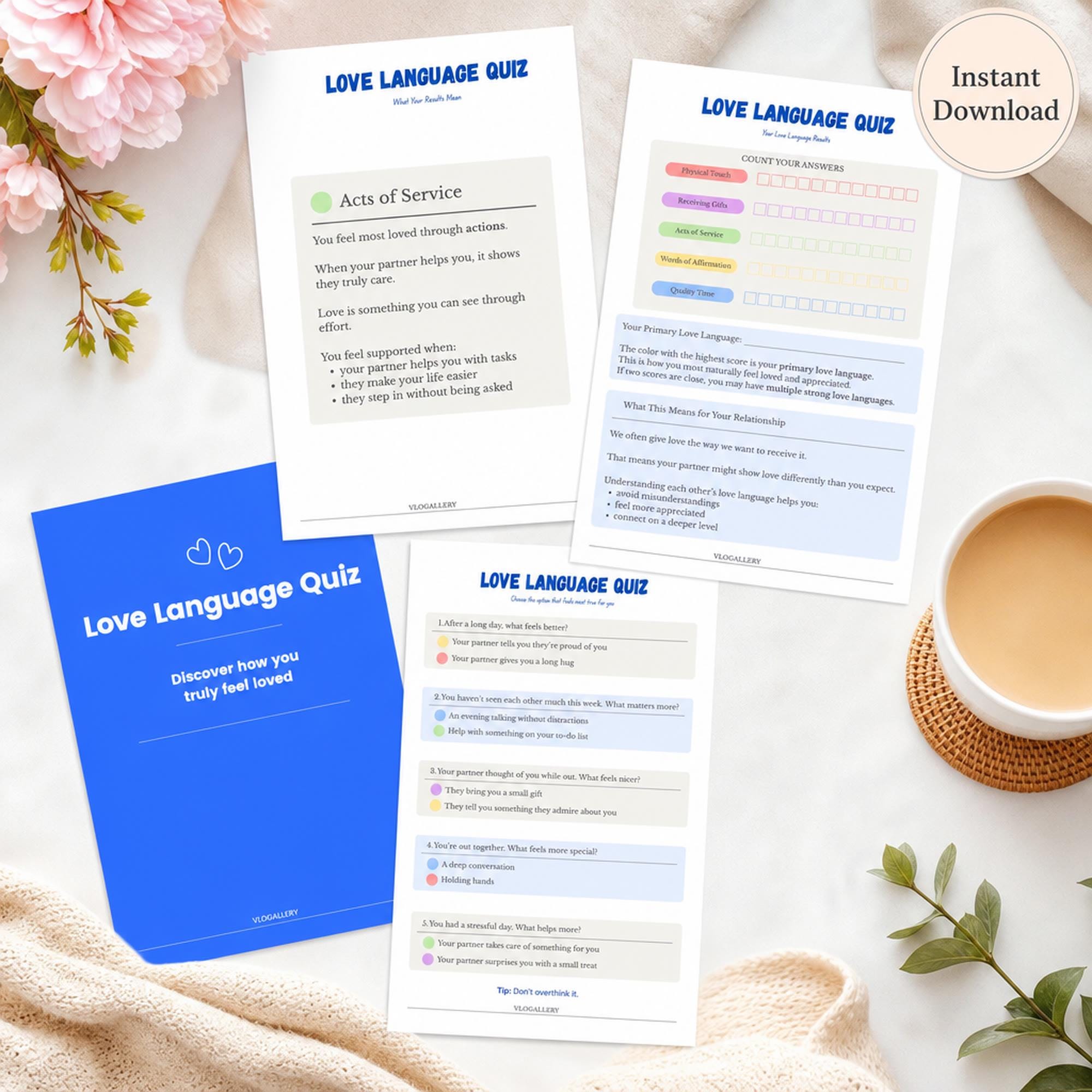
For a low-pressure way to start talking about connection, try the Love Language Quiz for Couples. It can give you a structured conversation about how each of you prefers to give and receive care.
10. How do we handle conflict and stress?
Discuss what each of you does when overwhelmed: withdraws, becomes irritable, seeks reassurance, or wants immediate solutions. Agree on ways to pause arguments without avoiding them permanently.
If communication is already difficult, consider couples counselling before pregnancy rather than waiting for a crisis. Learning how to repair after disagreement is more important than never disagreeing.
11. What support will we ask for?
Make a realistic support list. Who could cook, drive you to appointments, babysit, or listen without judging? If family support is limited, look into paid childcare, community groups, postpartum services, or trusted friends.
Also discuss mental-health support. Know the warning signs of anxiety, depression, and burnout, and agree that asking for help is responsible—not a sign of failure.
12. What happens if reality differs from our plan?
Pregnancy may take longer than expected, complications may arise, or your feelings may change. Talk about how you would support each other through fertility treatment, pregnancy loss, medical uncertainty, adoption discussions, or deciding to stop trying.
You do not need to predict every outcome. The goal is to know that difficult news will be faced together, with room for grief, changing plans, and professional guidance.
A simple way to begin tonight
Set aside 30 minutes and each answer three questions: What excites me most? What scares me most? What support would I need from you? Listen without interrupting, then choose one practical topic—usually finances, work, or family boundaries—to discuss next.
If you want to keep the conversation relaxed, the Date Night Cards can provide prompts for reconnecting before you move into bigger life planning. The aim is not to complete a checklist. It is to build the habit of being open, curious, and dependable with each other—the same habits that will matter long after you start trying.
Shop what's in this post

This article was written with AI assistance.