What Are the Five Love Languages? A Practical Guide for Couples Who Want to Feel Closer
August 26, 2026
The five love languages are a simple framework for understanding how people most readily give and receive affection. Created by marriage counselor Dr. Gary Chapman, the idea is not that every person fits neatly into one category. Most people appreciate all five forms of care—just not equally, and not always at the same moment.
That distinction can be surprisingly helpful in a relationship. You may be trying hard to show love, while your partner is still feeling overlooked. Often, the issue is not a lack of love; it is that the message is arriving in a form they do not naturally recognize.
The five love languages explained
### 1. Words of affirmation
People who value words of affirmation feel cared for through sincere verbal or written encouragement. This is more than saying “I love you,” though that matters too. Specificity makes the biggest difference.
Try saying:
- “I noticed how patient you were with the kids today.”
- “I’m proud of how you handled that difficult conversation.”
- “You make our home feel calmer.”
- “Thank you for doing that—I don’t take it for granted.”
A quick compliment is nice, but a thoughtful observation shows that you are paying attention. If this is your partner’s strongest language, do not assume they already know how you feel. Saying it out loud matters.
### 2. Quality time
Quality time is about undivided attention, not simply sharing the same room. A couple can spend every evening together and still feel disconnected if one person is working, scrolling, or mentally elsewhere.
For quality-time lovers, try creating small pockets of intentional connection:
- Take a 20-minute walk without phones.
- Cook dinner together and ask about each other’s day.
- Have a weekly coffee, lunch, or at-home date.
- Put devices away for the first 15 minutes after you reunite at the end of the day.
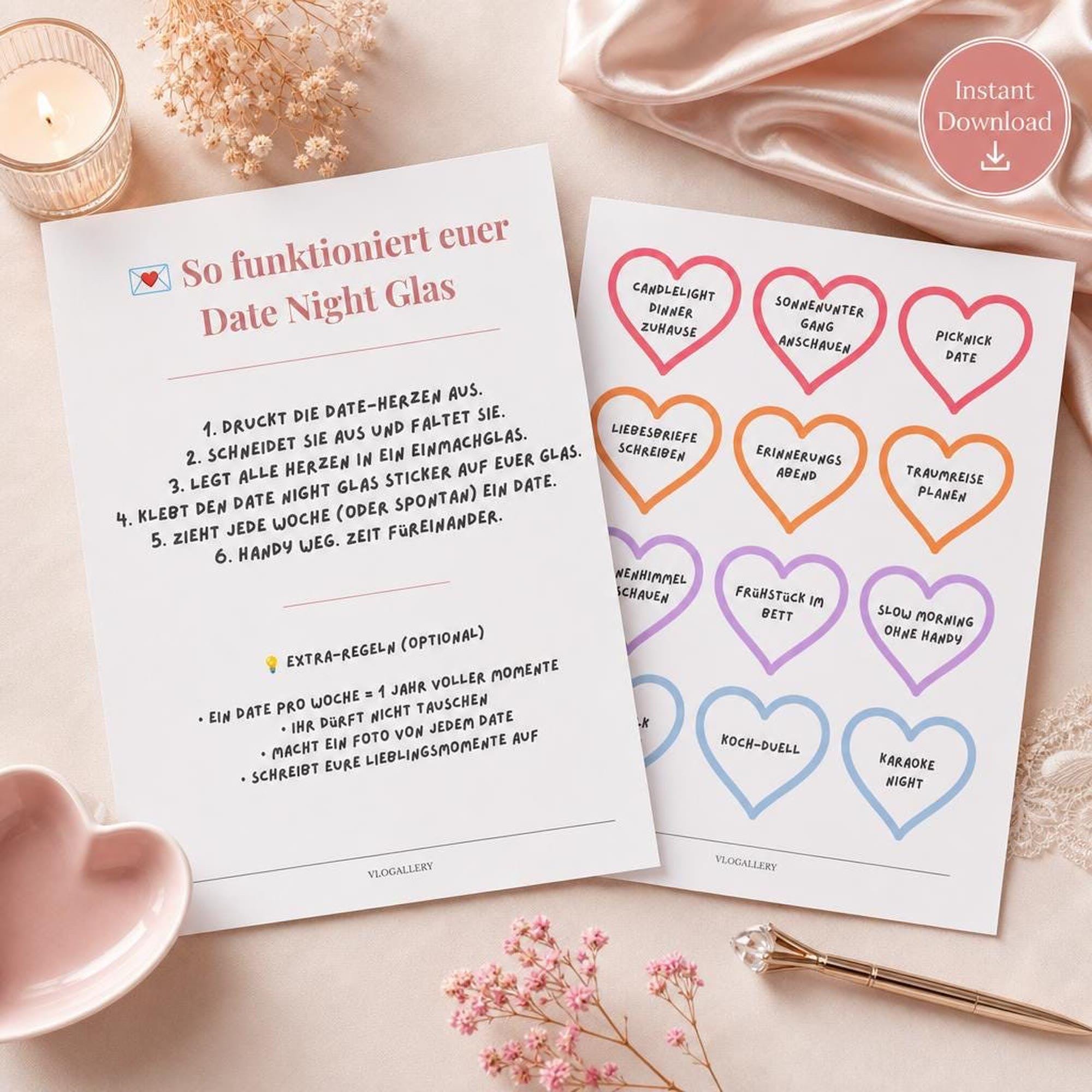
If coming up with date ideas is the part that keeps getting skipped, a Date Night Jar with 52 Ideas can give you a ready-made prompt for choosing something new together.
### 3. Receiving gifts
This love language is often misunderstood. It does not mean someone is materialistic or expects expensive presents. For many people, a gift represents thoughtfulness: “You saw this and thought of me.”
The best gifts are often modest and personal. Bring home their favorite snack after a difficult week, pick up a book by an author they love, or leave a small note with a meaningful memento. Remembering their preferences and important dates can be more powerful than the price tag.
A useful question to ask is: “What kind of little gift makes you feel especially remembered?” Their answer may surprise you.
### 4. Acts of service
Acts of service communicate love through helpful action. When life is busy, taking something off your partner’s plate can feel deeply caring—especially when you do it without being asked repeatedly.
Examples include:
- Handling a chore they usually dread.
- Making them breakfast before an early morning.
- Taking care of an errand when they are overwhelmed.
- Preparing the car, bags, or practical details before a trip.
The important part is learning what actually helps *them*. Folding laundry may feel loving to you, but perhaps what they really want is for you to arrange the appointment they have been putting off. Ask directly: “What is one task I could take over this week that would make your life easier?”
### 5. Physical touch
Physical touch can include sexual intimacy, but it is much broader than that. Holding hands, a long hug, a hand on the shoulder, cuddling during a show, or a kiss before leaving the house can all create reassurance and closeness.
Consent and timing matter here. Rather than assuming that your preferred amount or type of touch is shared, talk about what feels comforting and welcome to each of you. A partner may want more affection during stressful periods, while another may need emotional conversation first in order to feel open to touch.
How to find your love language as a couple
Instead of treating a quiz result as a final answer, use it as the beginning of a conversation. Think about times you felt especially loved by your partner. What were they doing? Then consider the moments when you felt hurt or disconnected. What did you wish they had done differently?
You can also ask each other these questions:
- “When do you feel closest to me?”
- “What is one small thing I do that makes you feel loved?”
- “What do you wish I did more often?”
- “When you are stressed, what kind of support feels best?”
- “How do you usually show love without realizing it?”
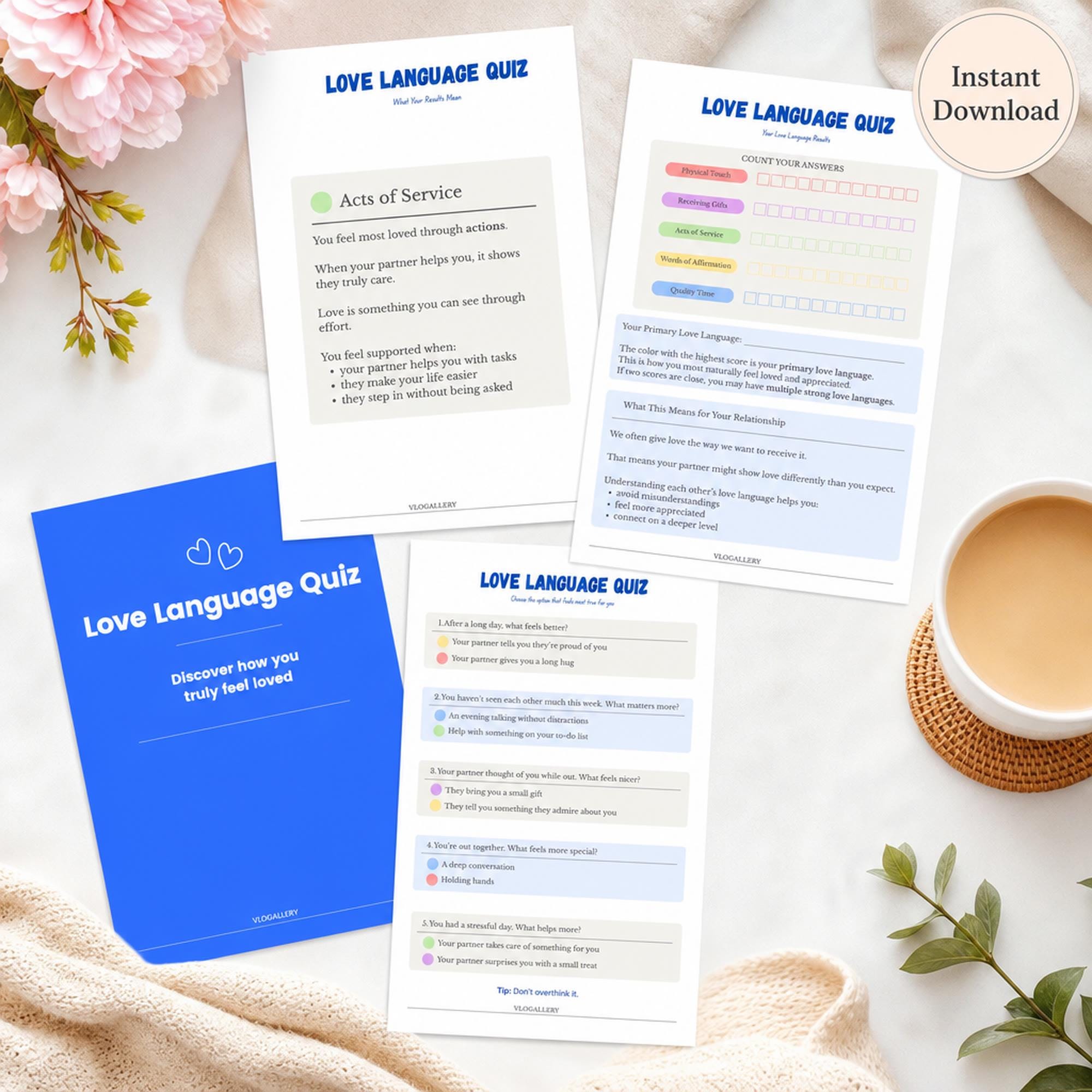
For a more playful way to start that discussion, the Love Language Quiz for Couples is designed as a date-night relationship activity. The real value is not merely identifying a category—it is talking through your answers and noticing where your expectations differ.
Turn insight into a small weekly habit
Knowing your partner’s love language only helps if it changes everyday behavior. Avoid trying to overhaul your relationship in one weekend. Choose one small action for each other this week.
For example, one partner might commit to giving a genuine daily compliment, while the other plans a phone-free walk after dinner. At the end of the week, ask, “Did that make you feel more connected?” Keep what works and adjust what does not.
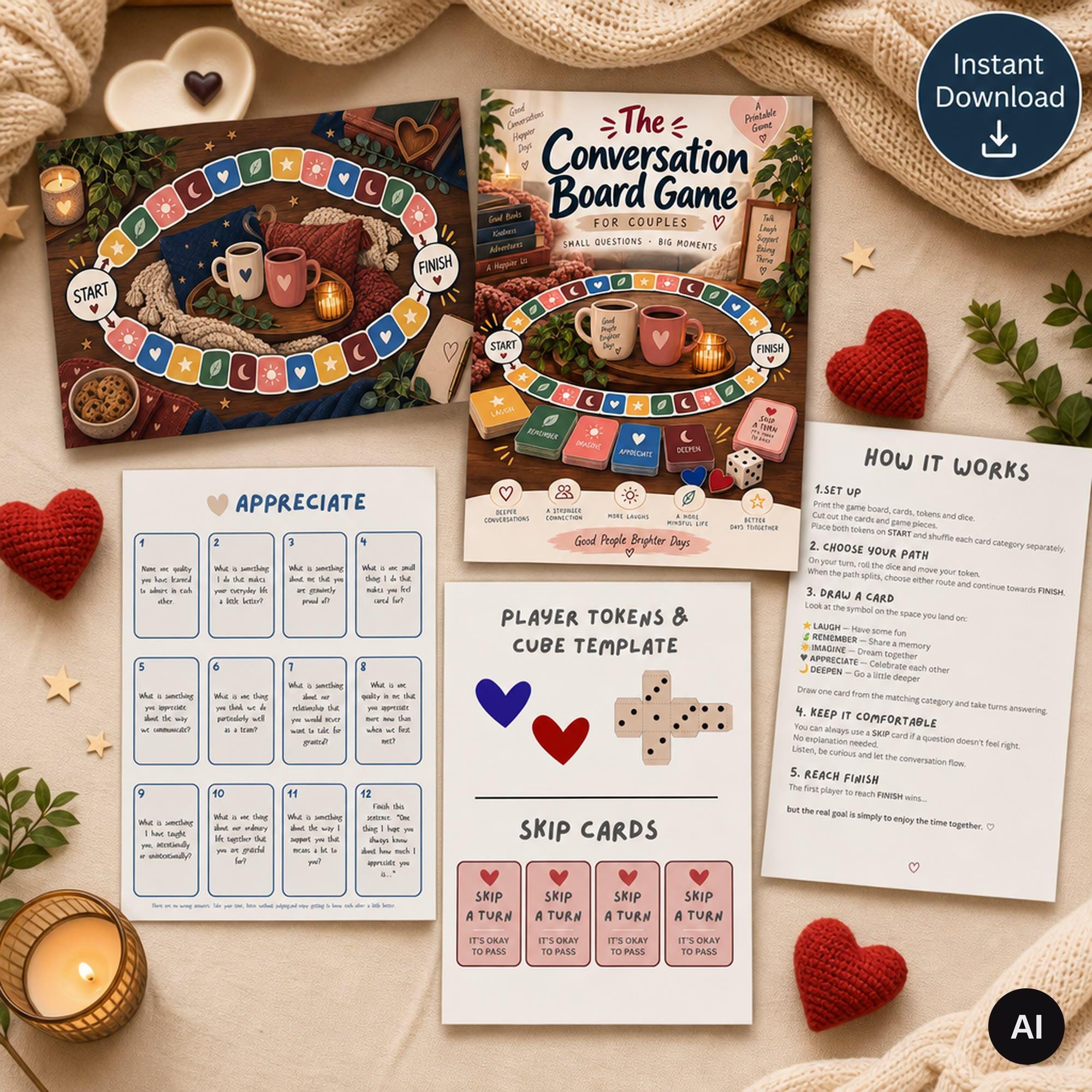
If conversation tends to stay stuck on schedules, chores, or logistics, a Couples Date Night Game with Conversation Board and Question Cards can create a little structure for getting beyond the usual routine.
Remember: love languages are a tool, not a scorecard
The framework works best when it inspires generosity, not demands. It should not become, “You must love me exactly this way,” or “My language excuses me from trying yours.” Healthy connection involves learning each other’s preferences while also communicating needs respectfully.
Your primary love language can also shift with life circumstances. During a demanding work season, acts of service may matter most. During a period of grief or uncertainty, reassurance and physical closeness may become more important. Keep checking in rather than assuming you already have the answer.
At its heart, the five love languages offer couples a useful reminder: love is not only what you feel. It is also what your partner can clearly receive.
Shop what's in this post
This article was written with AI assistance.