Hospital Bag Checklist for First-Time Moms: Exactly What to Pack and When
September 1, 2026
Packing a hospital bag can feel like one of those huge pregnancy milestones—exciting, slightly surreal, and easy to overthink. The good news: you do not need to bring your entire nursery. Hospitals provide many essentials, and a thoughtfully packed bag makes labor, recovery, and the first trip home much more comfortable.
For most first-time moms, aim to have your bag ready by 36 weeks. If you have a higher-risk pregnancy, live far from your hospital, or your care team has advised early delivery planning, consider packing closer to 32–34 weeks. Keep the bag by the door or in the car, and tell your partner or support person exactly where it is.
What the hospital usually provides
Before packing, call your hospital’s labor and delivery unit or check its online birth guide. Policies vary, but many hospitals provide:
- Hospital gown, mesh underwear, large pads, and peri-bottle
- Basic postpartum pain-relief supplies
- Baby diapers, wipes, and a bulb syringe
- Receiving blankets and a small newborn hat
- Formula, bottles, and nipples if you are formula feeding
Even if these are supplied, you may prefer a few familiar items of your own. The goal is not to duplicate everything—it is to bring what will make you feel clean, comfortable, informed, and supported.
Hospital bag essentials for labor
Pack these items in an easy-to-reach pocket or small labor tote, since you may not want to dig through a suitcase once contractions begin.
- Photo ID, insurance card, and hospital paperwork. Add your birth preferences if you have written them down.
- Phone and a long charging cable. Hospital outlets are often inconveniently far from the bed.
- Hair ties, clips, lip balm, and a water bottle with a straw. Dry lips and loose hair become surprisingly distracting during labor.
- Comfort items. Think warm socks, slippers, a lightweight robe, a familiar pillow, massage lotion, a small fan, or a playlist.
- Glasses and contact-lens supplies. If you wear contacts, bring your case and solution in case you want to remove them.
- Snacks for your support person. Labor policies around eating differ, but your partner or support person will likely appreciate filling, non-messy snacks.
A robe or oversized button-front shirt can be useful during early labor and for skin-to-skin time after birth. Choose something soft that you would not mind getting stained.
What to pack for postpartum recovery
After delivery, comfort matters more than looking put together. Pack loose, breathable clothing that is easy to put on while sore, tired, and learning to feed your baby.
Bring:
- Two comfortable nursing-friendly pajamas or oversized button-front shirts
- A going-home outfit with a loose waistband; many moms prefer maternity leggings, joggers, or a soft dress
- Nursing bras or tanks, plus nursing pads if you plan to breastfeed
- High-waisted underwear if you prefer your own over hospital mesh underwear
- Toiletries: toothbrush, toothpaste, shampoo, deodorant, face wash, moisturizer, and dry shampoo
- Shower shoes or flip-flops
- A towel if you strongly prefer your own, though it is optional
- Any prescribed medications you have been told to bring
If you are having a planned C-section, avoid pants or underwear that could rub against the incision. High-waisted, very soft options are usually more comfortable than anything tight or structured.
What to pack for your newborn
Your baby needs much less than social media might suggest. The hospital will handle most immediate basics, but these items are helpful for the journey home:
- A properly installed rear-facing infant car seat—this is the one truly non-negotiable item
- One or two going-home outfits in newborn and 0–3 month sizes
- A season-appropriate outer layer, such as a cardigan or blanket for cold weather
- A muslin blanket if you would like one for photos or extra coverage
- A pacifier, if you plan to offer one and your care team is comfortable with it
Wash clothing in advance, remove tags, and pack outfits in labeled zip bags so your support person can find the right size without guessing. Avoid bulky snowsuits in the car seat; babies need the harness snug against their bodies, with a blanket placed over the secured straps if needed.
Don’t forget the support person’s bag
Your partner, friend, or family support person may be at the hospital for a long time, especially if labor begins overnight. A separate small bag helps them stay useful and comfortable.
Include a change of clothes, hoodie, toiletries, snacks, refillable water bottle, medications, phone charger, and cash or a card for parking and vending machines. If they are staying overnight, add a pillow and light blanket if space allows.
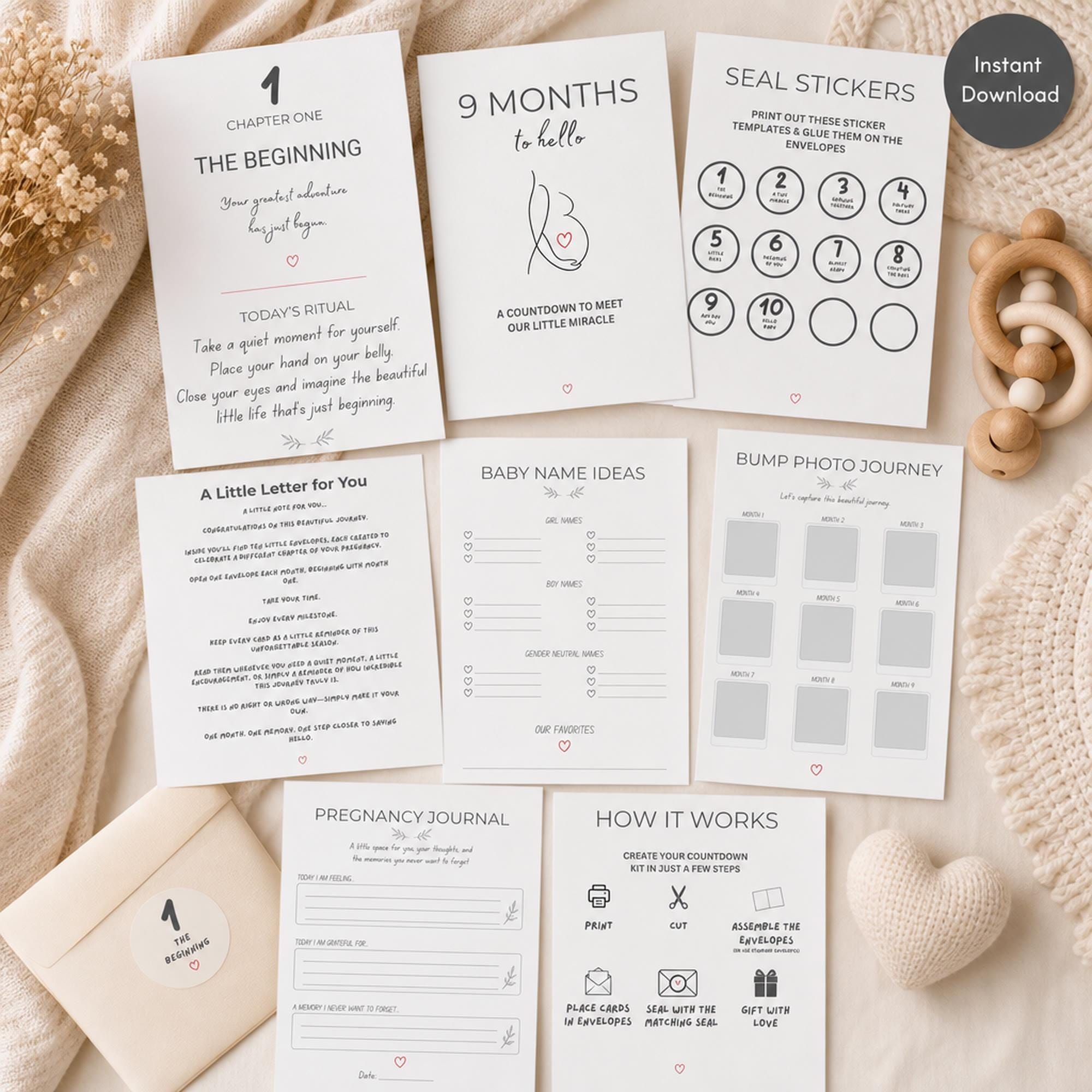
This is also a good time to plan small ways to stay connected before life gets busier. A pregnancy milestone activity such as the Pregnancy Keepsake Bundle | Printable Countdown Journal | Baby Shower Present for Mom-to-Be can be a sweet way to mark the final weeks while you prepare together.
What not to overpack
First-time parents often bring too much because it is hard to know what labor and recovery will feel like. You can usually leave these at home:
- Multiple newborn outfits and large packs of diapers
- Full-size makeup bags or complicated hair tools
- Valuable jewelry
- Lots of books, entertainment, or work materials
- Your breast pump, unless your hospital specifically asks you to bring it
Hospitals are usually warm, rooms are often short on storage, and you may go home sooner than expected. Keep your bag simple enough that one person can carry it.
A simple timeline for getting ready
At 32 weeks, make your checklist, wash baby’s going-home clothes, and confirm your hospital’s policies. At 34 weeks, install the car seat and practice adjusting the harness. By 36 weeks, pack your bag, add fresh snacks as needed, and keep your documents and charger in a designated spot.
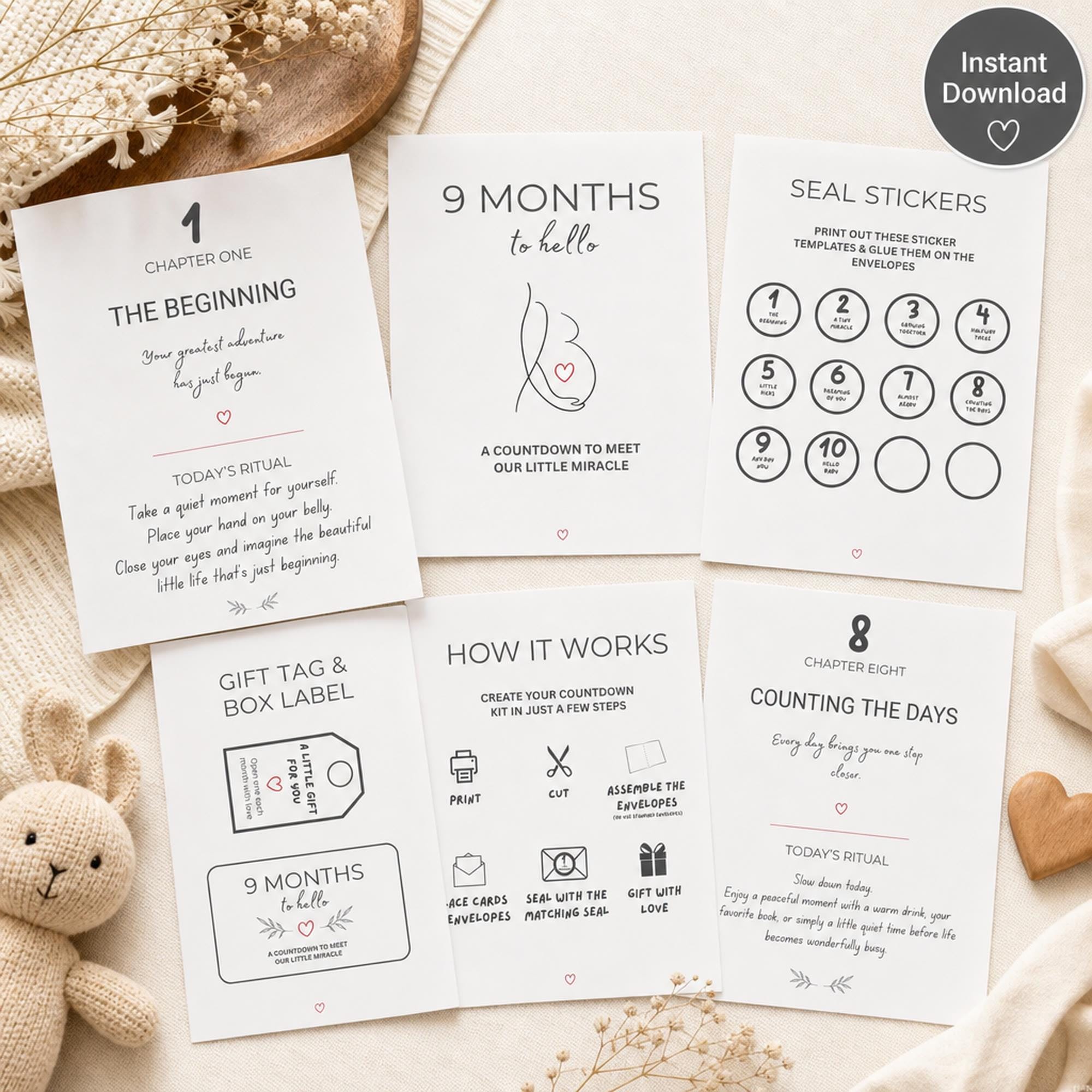
If you want a gentle way to make the waiting period feel more intentional, the Pregnancy Countdown Gift | Printable Monthly Card Set | Baby Shower Keepsake for Mom-to-Be fits naturally into those final preparations.
Most importantly, remember that a hospital bag is not a test of whether you are ready to become a parent. Pack the essentials, ask your care team questions, and trust that you can handle the rest one moment at a time.
Shop what's in this post
This article was written with AI assistance.